Education stands at the threshold of its most significant transformation in centuries. Artificial intelligence is not merely another educational tool but a fundamental shift in how we approach learning, teaching, and skill development. This evolution promises to make education more accessible, personalized, and effective than ever before.
Personalized Learning at Scale
Traditional education follows a one-size-fits-all model where teachers deliver the same content to all students regardless of individual needs, learning speeds, or styles. AI changes this paradigm entirely. Intelligent tutoring systems now adapt to each student's unique learning profile, adjusting difficulty levels, pacing, and teaching methods in real-time.
These adaptive learning platforms analyze how students interact with content, identifying areas of strength and weakness. When a student struggles with a concept, the system provides additional explanations, alternative approaches, or supplementary materials. Conversely, when students demonstrate mastery, they can advance quickly without being held back by class pace.
The impact extends beyond academic content. AI systems recognize learning patterns, suggesting optimal study times, identifying when students need breaks, and recommending learning strategies that match their cognitive preferences. This level of personalization was impossible with traditional methods but becomes scalable through artificial intelligence.
Intelligent Content Creation and Curation
Creating high-quality educational content requires significant time and expertise. AI assistants now help educators develop engaging materials more efficiently. These systems can generate practice problems, create quizzes, suggest real-world examples, and even produce initial drafts of instructional materials that teachers can refine.
Content curation represents another valuable application. With countless educational resources available online, finding relevant, accurate, and appropriate materials becomes overwhelming. AI systems filter and recommend content based on curriculum requirements, student level, and learning objectives, saving educators countless hours of searching and evaluation.
Enhanced Assessment and Feedback
Assessment traditionally consumed enormous amounts of teacher time while providing limited insights into student understanding. AI-powered assessment tools evaluate student work instantly, providing detailed feedback that goes beyond simple right or wrong answers. These systems identify misconceptions, explain errors, and suggest specific areas for improvement.
More importantly, AI enables continuous assessment rather than relying solely on periodic exams. By analyzing daily interactions, homework submissions, and classroom participation, these systems build comprehensive profiles of student understanding. Teachers receive actionable insights about when intervention is needed and which teaching strategies prove most effective.
Breaking Down Barriers to Education
AI has enormous potential to democratize education. Language barriers diminish as real-time translation makes content accessible to speakers of any language. Students with disabilities benefit from AI-powered accommodations like text-to-speech, speech-to-text, and image descriptions that adapt automatically to individual needs.
Geographic and economic barriers also decrease. High-quality AI tutors provide expert instruction regardless of student location or family income. While these systems cannot completely replace human teachers, they significantly extend educational reach, bringing quality instruction to underserved communities worldwide.
Preparing Students for an AI-Driven World
Beyond using AI as a teaching tool, education must prepare students to thrive in a world where artificial intelligence plays an increasingly central role. This requires rethinking curricula to emphasize skills that complement AI rather than compete with it. Critical thinking, creativity, emotional intelligence, and complex problem-solving become paramount.
Students need to understand how AI works, its capabilities and limitations, and ethical considerations surrounding its use. AI literacy becomes as fundamental as traditional literacy or numeracy. Educational institutions must integrate these topics throughout curricula rather than treating them as specialized subjects.
The Evolving Role of Teachers
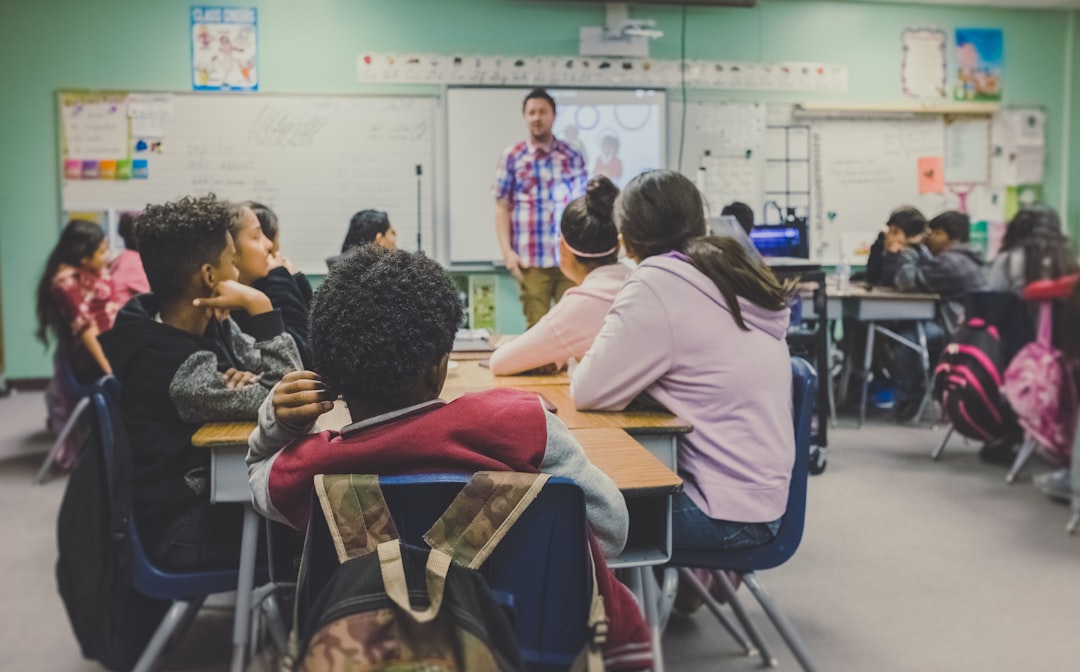
AI does not replace teachers but transforms their role. Freed from routine tasks like grading and content delivery, educators can focus on mentorship, inspiration, and addressing complex learning challenges. Teachers become learning architects, designing experiences that combine AI capabilities with human insight and emotional support.
This shift requires rethinking teacher training and professional development. Educators need skills in using AI tools effectively, interpreting data from these systems, and maintaining the human elements that remain essential to education. The most effective learning environments will blend AI efficiency with human creativity and empathy.
Challenges and Considerations
The integration of AI into education faces significant challenges. Privacy concerns arise when systems collect detailed data about student performance and behavior. Ensuring equitable access prevents existing educational inequalities from widening. Maintaining human connection becomes crucial as technology plays a larger role.
Educational institutions must navigate these challenges thoughtfully. Clear policies around data use, transparent algorithms, and maintaining teacher-student relationships help address concerns while capturing AI benefits. The goal should be augmenting rather than replacing the human elements that make education meaningful.
Looking Ahead
The future of AI in education promises continued innovation. Virtual reality combined with AI could create immersive learning experiences that transport students to historical events or simulate complex scientific phenomena. Emotional AI might recognize when students feel frustrated or disengaged, alerting teachers to provide support.
As these technologies mature, education will become increasingly personalized, accessible, and effective. Success depends on thoughtful implementation that preserves what makes education valuable while embracing innovations that expand its reach and impact. The institutions that thrive will be those that view AI as a tool to enhance rather than replace the fundamentally human act of teaching and learning.